

34 free lessons · 3 sets
Empathy Lessons for Teachers
Free video lessons, classroom activities and digital tool tutorials that help teachers understand empathy and teach it to students aged 8–16.
Every lesson was created by a partner organisation of DigiEmpathy, an Erasmus+ KA220 project co-funded by the European Union. Pick a set below, or go straight to a single lesson.
Empathy Minicourse for Teachers
A structured ten-lesson video course on the empathy concepts teachers need, from active listening to healthy boundaries.
Part 1: Understanding Empathy
 4:10
4:10
Lesson 1
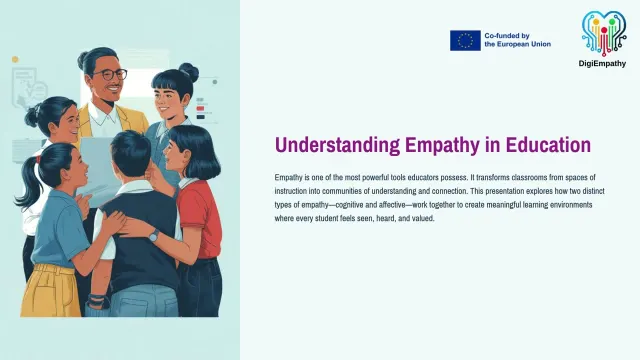
Understanding Empathy in Education
Definition of empathy and the difference between cognitive and affective empathy. Why they are important in the classroom and practical examples of how to foster both types with students.
 4:16
4:16
Lesson 2
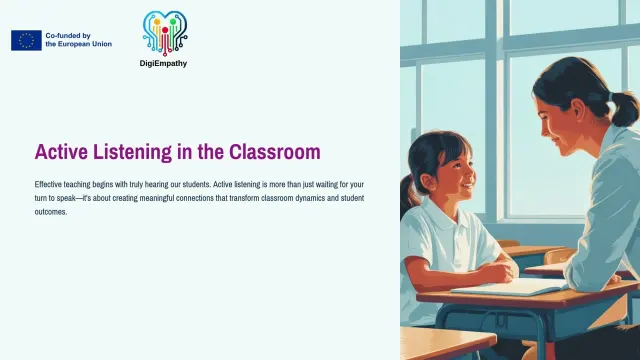
Active Listening in the Classroom
Definition of active listening, practical examples, why it is important for student-teacher relationships, and how to apply it effectively in everyday classroom interactions.
 4:33
4:33
Lesson 3
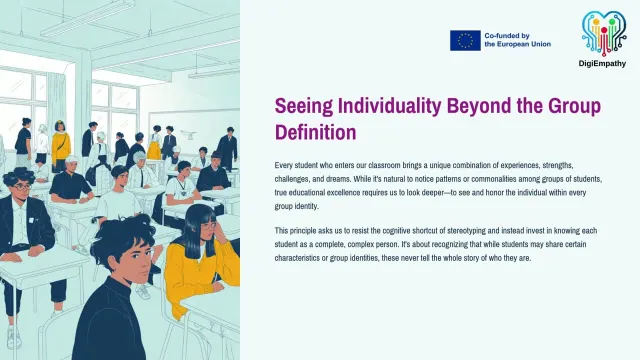
Seeing Individuality Beyond the Group
Why it is important for teachers to recognise each student as an individual rather than just a member of a group. How to do it and its benefits and challenges.
 4:28
4:28
Lesson 4
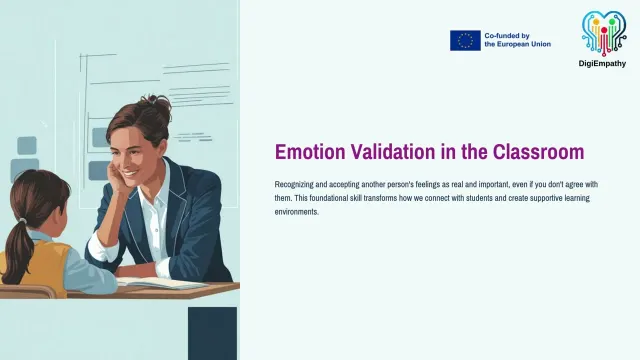
Emotion Validation in the Classroom
Definition of emotion validation, how to apply it with students, its importance for emotional safety, and concrete classroom strategies.
 4:50
4:50
Lesson 5
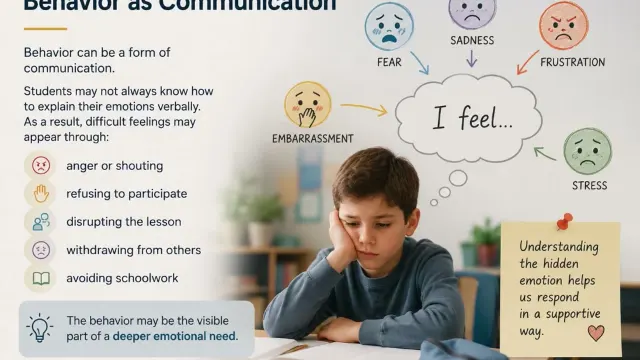
Exploring the Emotions Behind Behavior
The benefits of looking at the emotions behind each behaviour rather than the conduct itself. Its importance and how to apply this approach with students.
Part 2: Empathy in Everyday Teaching Practice
 3:10
3:10
Lesson 6
Using Empathy and Emotions in Responding to Misbehavior and Mistakes
How to respond to student misbehaviour and mistakes with empathy: staying calm, avoiding shame and labels, the pause–understand–redirect strategy, and treating mistakes as opportunities for growth.
 5:57
5:57
Lesson 7
Behavior vs Identity
Why teachers should correct the behaviour and not the person: the difference between describing an action and labelling a student, and a behaviour–impact–expected change structure for feedback.
 3:39
3:39
Lesson 8
Encouraging Self-Reflection (“How did you feel?”)
How questions such as “How did you feel?” help students name their emotions, communicate calmly in conflicts and understand others, with reflection questions and classroom routines.
 3:22
3:22
Lesson 9
Empathy with Healthy Boundaries
How teachers can care about students without becoming emotionally overwhelmed: empathy versus over-identification, the risk of burnout, and listening as support.
 3:44
3:44
Lesson 10
Identifying and Managing My Own Emotions
Why a teacher's awareness of their own emotions matters for empathy, and practical ways to recognise, name and manage those emotions in the classroom.
Interactive Empathy Activities for the Classroom
Practical classroom empathy activities for ages 8–12 and 13–16, recorded in real classrooms.
 14:18
14:18
Lesson 1 · Ages 8–12 · 3 videos
Differentiating Cognitive and Emotional Empathy
Three scenarios that help students discriminate cognitive empathy (what they think) from affective empathy (what they feel).
 3:19
3:19
Lesson 2 · Ages 13–16
Discriminate Between Cognitive and Affective Empathy (Ages 13–16)
A presentation of the “Mind vs Heart Cards” activity. In small groups, students read scenario cards about common teenage situations and answer two questions — what might this person think, and what might this person feel — to tell cognitive empathy from affective empathy.
 2:23
2:23
Lesson 3 · Ages 8–12
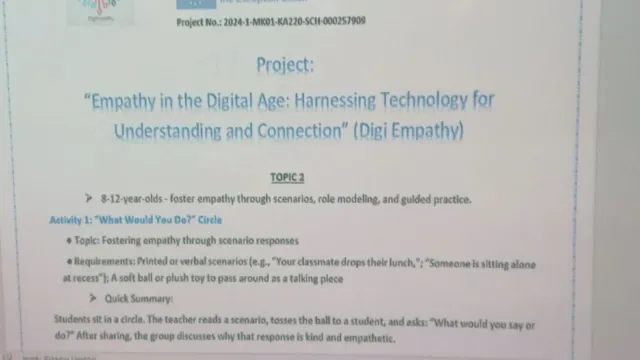
Foster Empathy: What Would You Do If…? (Ages 8–12)
The “What Would You Do?” circle. Students sit in a circle, the teacher reads a scenario and tosses a ball to a student, who says what they would say or do; the group then discusses why that response is kind and empathic.
 17:39
17:39
Lesson 4 · Ages 13–16 · 2 videos
Developing Empathy and Creating Scenarios
Foster empathy by creating scenarios of what a student would say or do in different contexts, then provide and discuss proper behaviour models.
 13:24
13:24
Lesson 5 · Ages 8–12 · 2 videos
Moral Dilemmas and the Importance of Emotions
Explore moral dilemmas and how emotions play a key role in resolving them ethically and empathetically.
 4:37
4:37
Lesson 6 · Ages 13–16
Moral Dilemmas and the Importance of Emotions (Ages 13–16)
A classroom session on moral dilemmas, such as telling a small lie to protect a friend. Students compare how artificial intelligence would reason with how people decide, and discuss the role of emotions and empathy in moral choices. In Portuguese with English subtitles.
 2:48
2:48
Lesson 7 · Ages 8–12
Coping Strategies for Intense Emotions (Ages 8–12)
A presentation of the Feelings Thermometer activity. Students help make a thermometer poster with levels from 1 (calm) to 5 (explosive), place real-life situation cards at the level that matches the emotional intensity, and learn to choose coping tools before feelings become overwhelming.
 11:09
11:09
Lesson 8 · Ages 13–16
Strategies for Coping with Intense Emotions
Practical coping strategies for managing intense emotions in the classroom.
 2:00
2:00
Lesson 9 · Ages 8–12
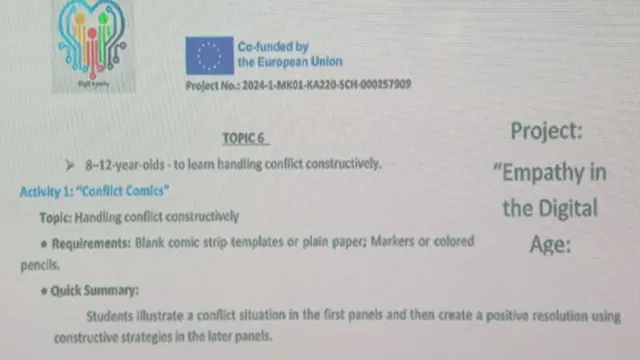
Handling Conflict Constructively (Ages 8–12)
The “Conflict Comics” activity. Students draw a conflict situation in the first panels of a comic strip, then create a positive resolution in the later panels using constructive strategies.
 7:15
7:15
Lesson 10 · Ages 13–16
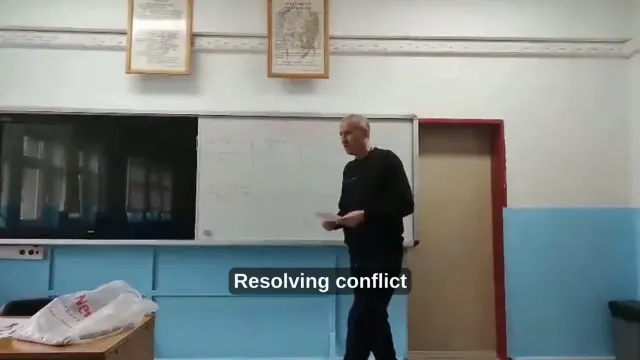
Handling Conflict Constructively
Strategies for resolving conflicts respectfully and constructively in the classroom and in digital spaces.
 3:41
3:41
Lesson 11 · Ages 8–12
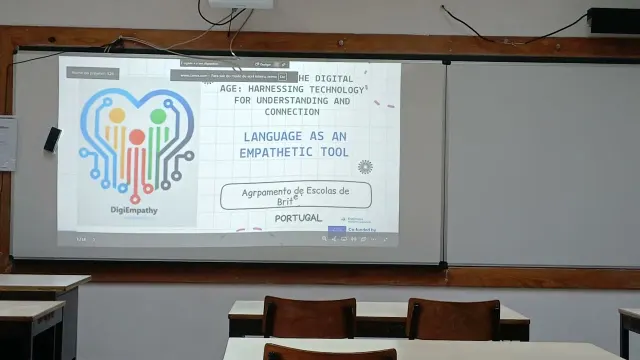
Language as an Empathetic Tool: Empathy in Digital Communication (Ages 8–12)
A presentation of the “Language as an Empathetic Tool” activity on empathy in digital communication. Students reflect on the power of words, compare empathetic and non-empathetic phrases, rewrite neutral or negative messages more empathetically, and make posters contrasting disrespectful and empathetic comments.
 5:09
5:09
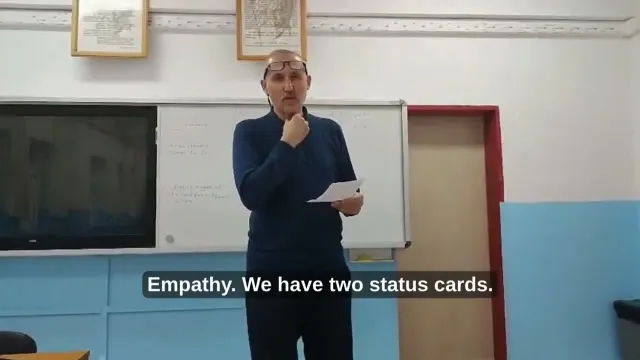
Lesson 12 · Ages 13–16
Developing Active Listening Skills
Techniques and exercises for applying active listening in the classroom.
 8:05
8:05
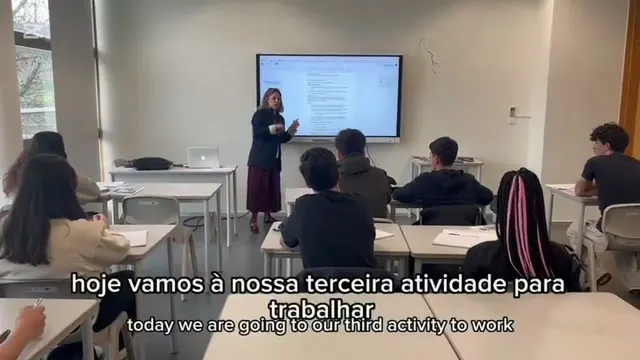
Lesson 13 · Ages 8–12
How Stereotypes Affect Empathy
Understanding how stereotypes create barriers to empathy and how to challenge them in the classroom.
 4:30
4:30
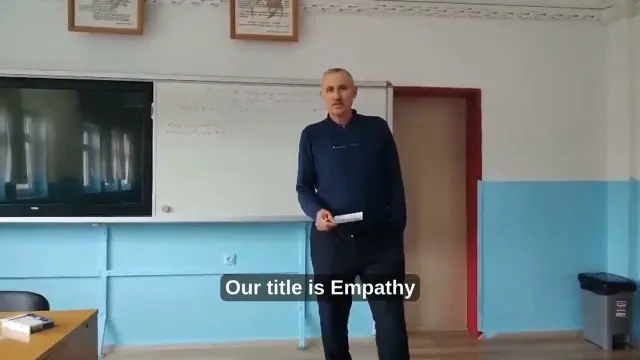
Lesson 14 · Ages 13–16
How Stereotypes Affect Empathy (Ages 13–16)
A classroom session on how stereotypes affect empathy. The teacher shows how judging people by their appearance can hurt them; students then look at photos, say what kind of person they think each one is, and find out who the people really are. In Portuguese with English subtitles.
 4:33
4:33
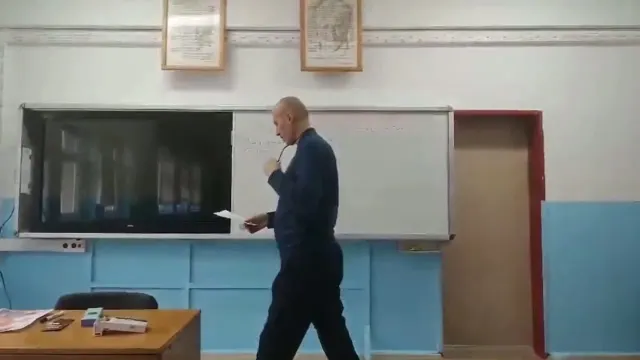
Lesson 15 · Ages 13–16
Empathy and Textual Barriers in Digital Communication
Explore how empathy is affected by digital communication — text messages, tone, and the barriers that screens create.
 5:57
5:57
Lesson 16 · Ages 8–12
Communicating Negative Feedback Correctly
How to give and receive negative feedback in a respectful, empathetic, and constructive way.
 5:00
5:00
Lesson 17 · Ages 13–16
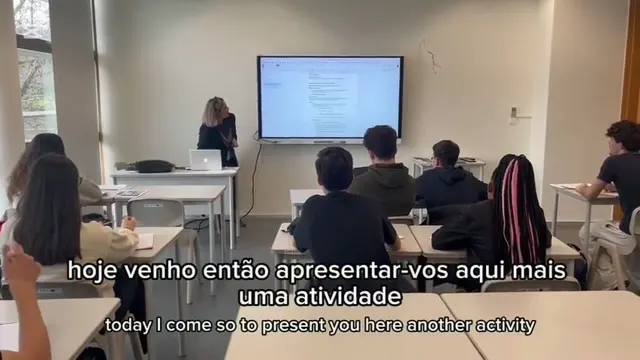
How to Communicate Negative Feedback Properly (Ages 13–16)
A classroom session on the “feedback sandwich”. Using the example of a group member who did not contribute, students learn to give negative feedback constructively: understand why it happened, explain how it affected the group, and say what should change next time. In Portuguese with English subtitles.
 7:26
7:26
Lesson 18 · Ages 8–12
Understanding How Others Feel
Help students identify and understand the emotions and feelings of people around them through guided classroom activities.
Digital Tools for Teaching Empathy
Six two-minute tutorials on using Animoto, Canva, Kahoot, Padlet, Pixton and Wordwall for empathy activities in the classroom, free for teachers.
 1:57
1:57
Lesson 1
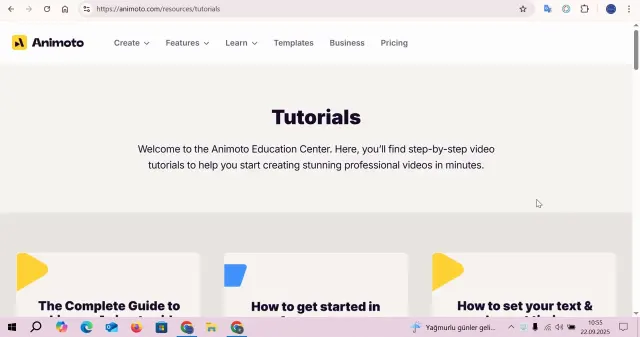
Animoto for Empathy in the Classroom
Use Animoto to create short, engaging videos that help students express and reflect on empathy-related scenarios.
 1:55
1:55
Lesson 2
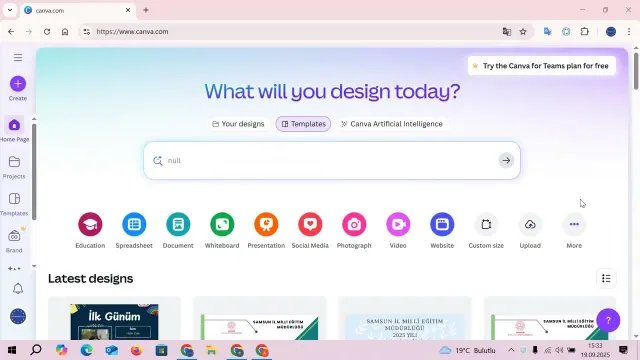
Canva for Empathy Posters
Design empathy-themed posters and visual reminders with Canva to reinforce key concepts around the classroom.
 2:10
2:10
Lesson 3
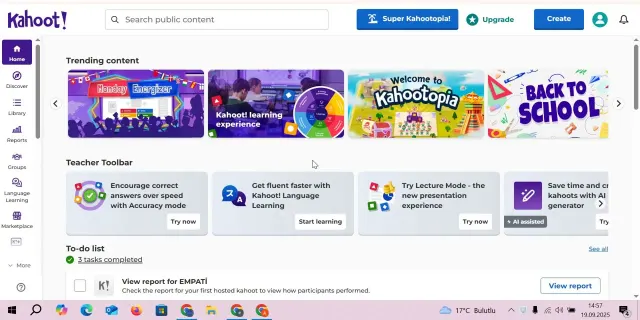
Kahoot Empathy Quiz
Run a live Kahoot quiz to test and reinforce students' understanding of empathy concepts in a fun, competitive format.
 1:55
1:55
Lesson 4
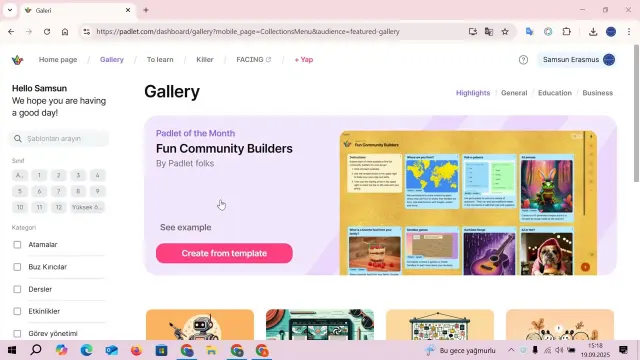
Padlet for Practicing Empathy
Use Padlet as a collaborative board where students can share thoughts, feelings, and perspectives to practice empathy.
 1:38
1:38
Lesson 5
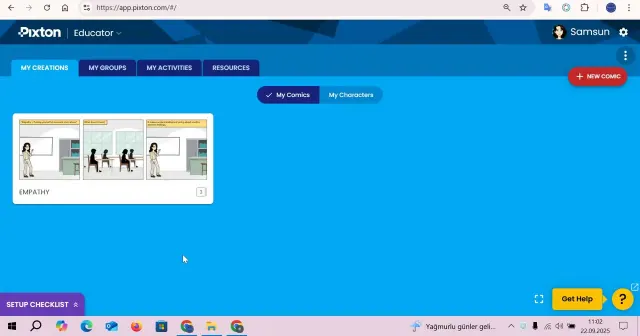
Pixton for Practicing Empathy in the Classroom
Create comic strips with Pixton to help students visualize and practice empathetic responses in different scenarios.
 2:05
2:05
Lesson 6
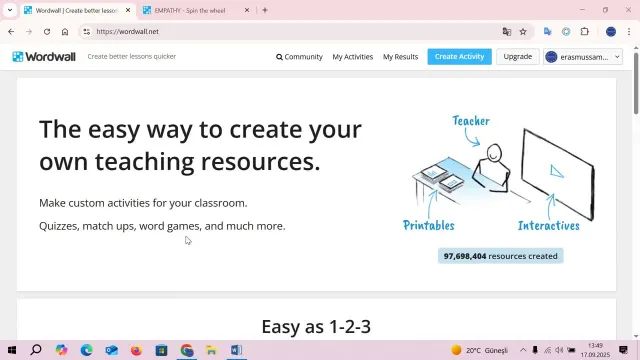
Wordwall Empathy Game
Play an interactive Wordwall game to reinforce empathy vocabulary and concepts in an engaging way.